Advanced Radial Shockwave Therapy for Chronic Pain
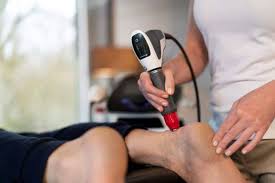
Radial shockwave therapy delivers acoustic pulses through the skin into slow-healing connective tissue, stimulating cellular regeneration, breaking down calcifications, and accelerating pain relief for stubborn tendon and ligament conditions.
Meet Our Shockwave Therapy Clinicians
Shockwave therapy at Beachealth is delivered by our regulated healthcare practitioners:
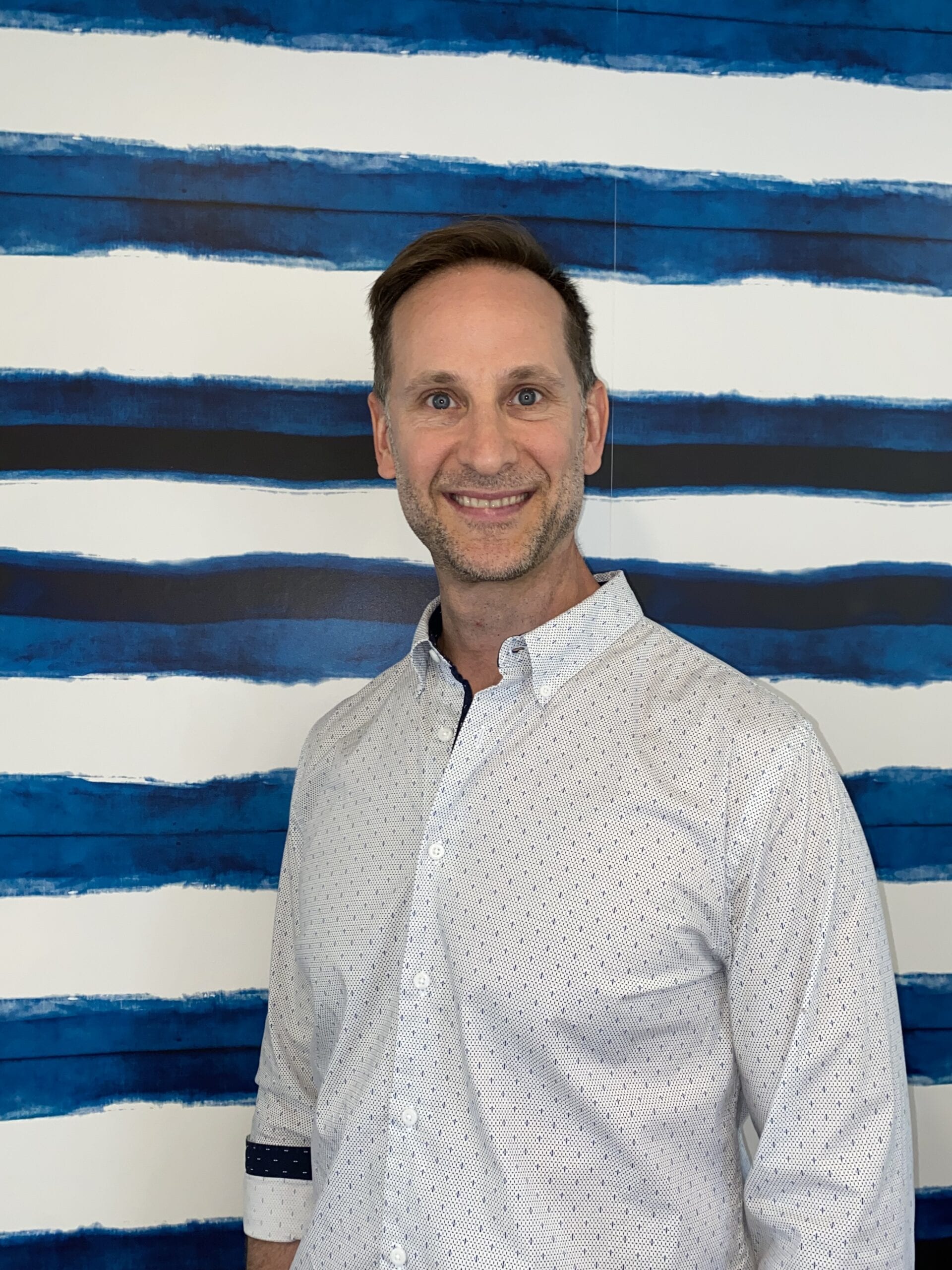
Dr. Adam Bletsoe
Dr. Adam utilizes radial shockwave therapy to stimulate blood flow, break down stubborn calcifications, and accelerate tissue repair for chronic tendon and joint pain conditions.
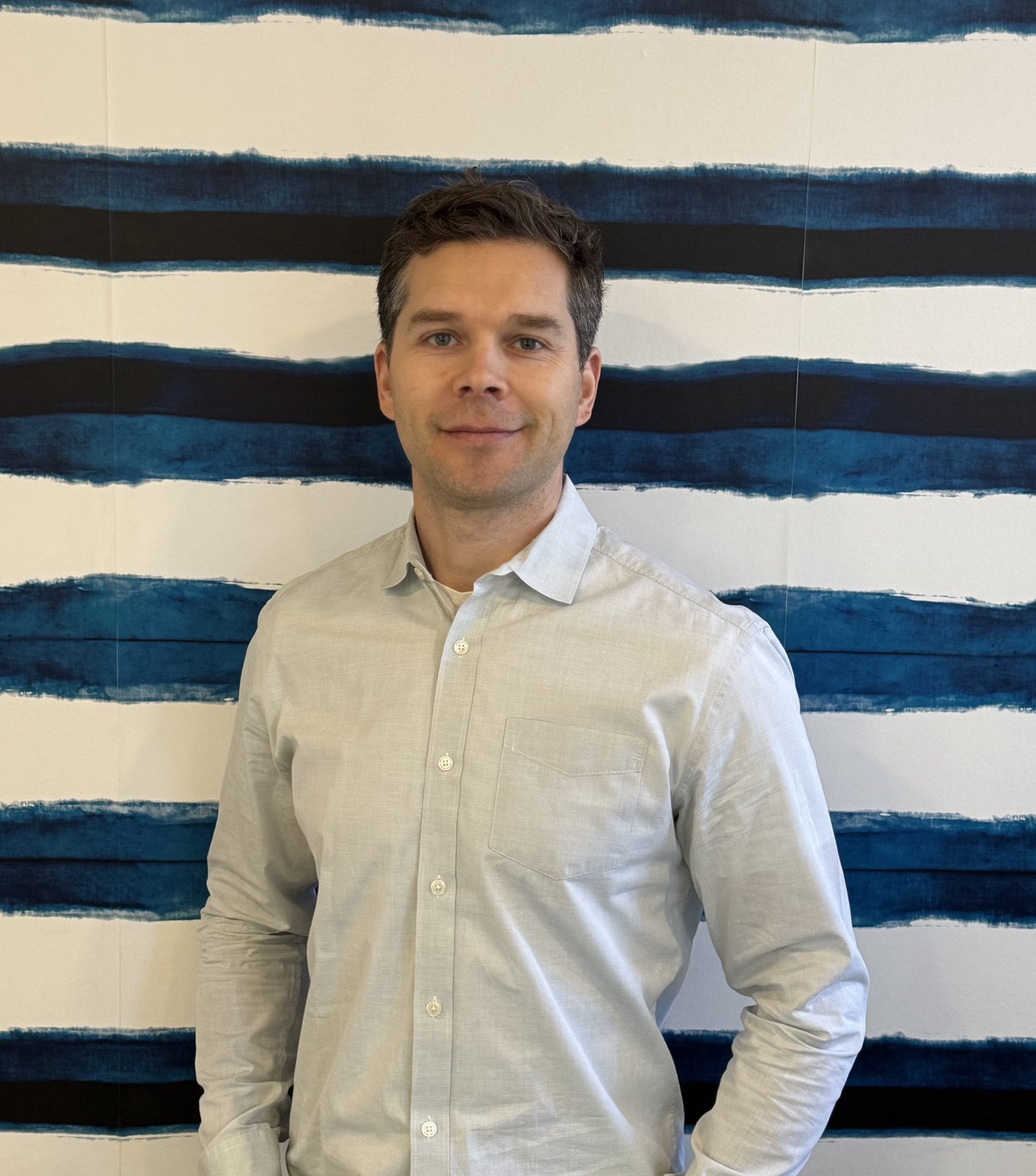
Jared Cox
Jared integrates shockwave therapy with whole-body osteopathic assessment to address persistent fascial restrictions, plantar fasciitis, and chronic overuse injuries.
How Shockwave Therapy Works
After an assessment to confirm shockwave therapy is suitable, a handheld applicator is placed over the painful area and pulses are delivered for a few minutes.
Treatment may include:
- Assessment & suitability screening: Confirming your diagnosis and checking that shockwave therapy is safe and appropriate for you.
- Targeted shockwave therapy sessions: Short treatments over the painful tissue, with intensity adjusted to your comfort.
- Progressive loading exercises: Strengthening exercises that help the tendon adapt and keep improvements going.
- Activity & recovery guidance: Advice on managing training, work and daily activity during your treatment course.
Conditions We Commonly Help With
- Plantar fasciitis and heel pain
- Achilles tendinopathy
- Tennis elbow and golfer’s elbow
- Rotator cuff tendinopathy (including calcific)
- Patellar tendinopathy (jumper’s knee)
- Outer hip pain (greater trochanteric pain)
- Chronic tendon pain in runners and athletes
- Pain that hasn’t improved with rest
Shockwave therapy is generally used for pain that has lasted several weeks or longer. Your clinician will confirm whether it suits your condition.
Is Shockwave Therapy Right for You?
Shockwave therapy is non-invasive, needs no injections or downtime, and most people continue their normal daily activities. A course commonly involves several sessions spaced about a week apart.
It is not suitable for everyone. Your clinician will screen for situations where shockwave therapy should not be used — for example pregnancy, certain blood-clotting conditions or medications, or treatment over an area with an active infection.
What to Expect at Your First Visit
We review your symptoms and history, examine the area, and confirm shockwave therapy is appropriate.
The applicator is placed over the painful tissue; intensity is adjusted so it stays tolerable.
You receive a treatment schedule and exercises to support healing between sessions.
Frequently Asked Questions
It can feel uncomfortable over sensitive tissue, often described as a strong tapping. Intensity is adjusted so it stays tolerable, and each treatment lasts only a few minutes.
A course commonly involves several sessions about a week apart. Your clinician will recommend a plan based on your condition.
Most people continue normal daily activities. You may be advised to ease off high-impact activity for a short time; your clinician will give you specific guidance.
Some people notice less pain within a few sessions, while tendon healing continues for weeks after the course ends. Combining shockwave therapy with exercise gives the best long-term results.
Ready to Get Past Stubborn Pain?
Book an assessment to find out whether shockwave therapy is right for you.